
At 41 years of age, I left my career in sales, marketing, and organizational development to go to a holistic school for a counseling program with a focus on grief and trauma. I started working at a recovery center in Santa Fe, then later transitioned to working with at-risk youth, and then found my home in opening a private practice for adults.

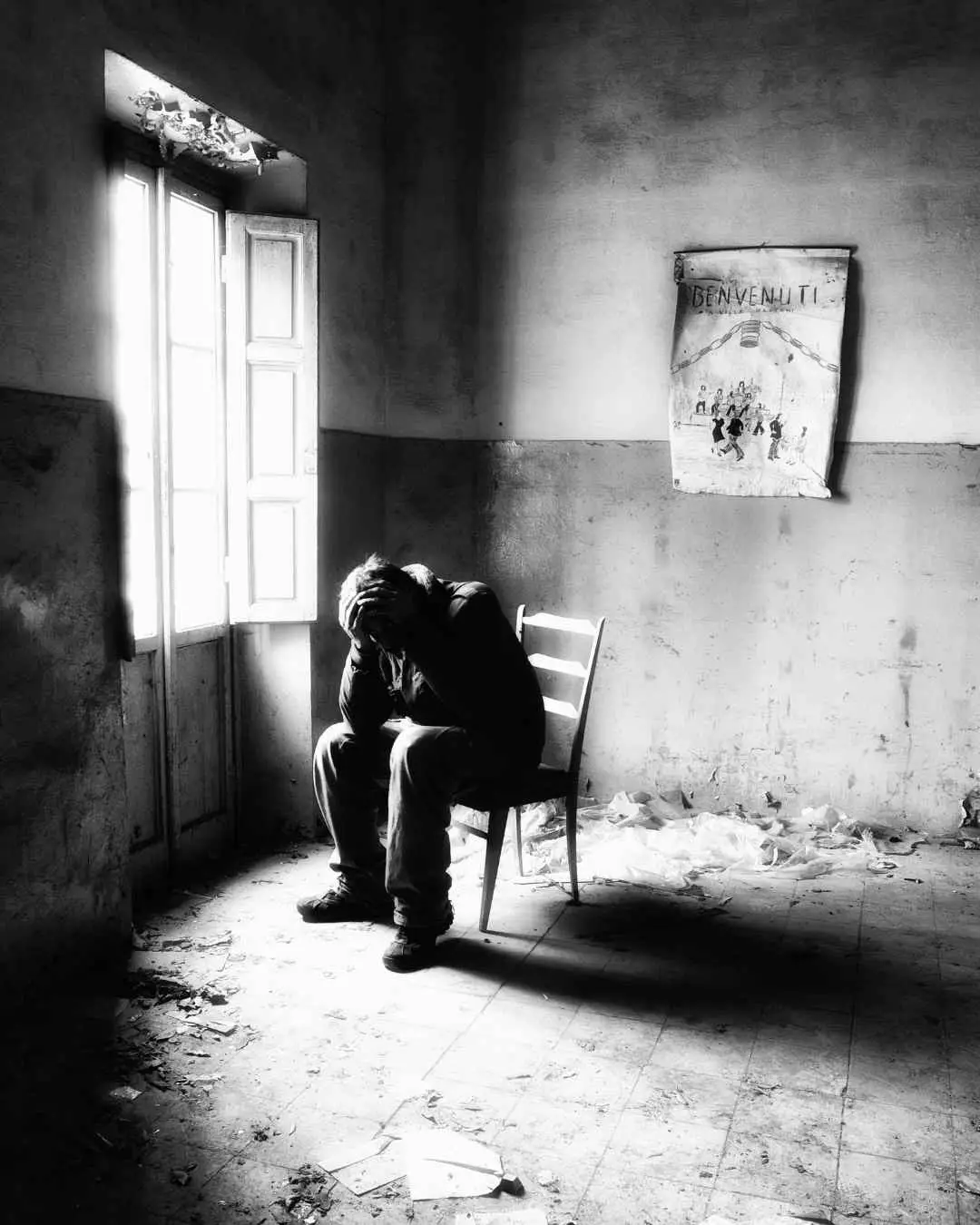
Depression can feel like a heavy fog that dims your connection to the world and yourself. It is often the soul’s way of saying it has carried too much for too long. Through a holistic lens, we explore the emotional and systemic weights holding you down, helping you gently rediscover your internal spark and the capacity for joy.

Anxiety often feels like living in a constant state of "high alert," where the mind is perpetually racing toward the next "what if." Our approach focuses on grounding the nervous system and uncovering the root causes of your unrest. We work to transform your relationship with fear, moving from a cycle of worry to a state of calm, present-moment awareness.

Grief is not a problem to be solved, but a process to be honored. Whether you are navigating the loss of a loved one, a career, or a previous version of yourself, we provide a sacred space to carry the weight of "what was." Together, we move through the landscape of loss toward a place of integrated healing and renewed meaning.

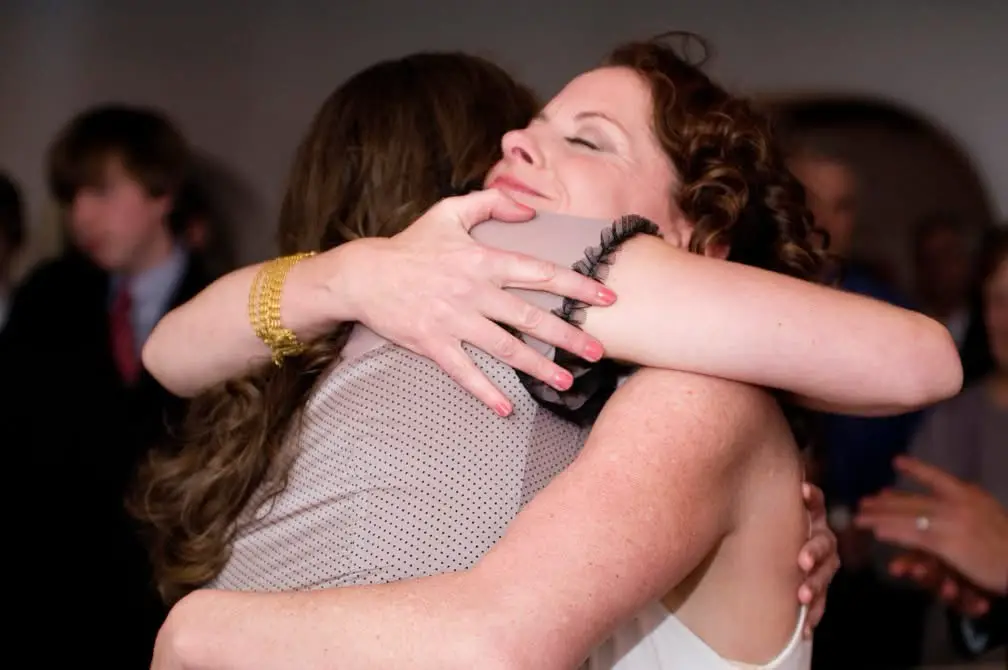
Therapeutic practices can help individuals and couples navigate the complexities of relationships. Through open communication, self-reflection, and guided exploration, therapy can foster deeper understanding, strengthen emotional bonds, and empower partners to create healthier, more fulfilling connections.
Many people don’t know where to begin, and that’s a great way to start a conversation with a therapist. It’s also common for people to say that they don’t understand what’s going on with them, which is, of course, why you need a witness. We all need witnesses at times. We are tribal beings, and American culture sells us this idea of rugged individualism as if we can heal our wounds without another/s. As if isolation, knowledge, and exercise can help us conquer our fears and step into our power. We are relational beings.
Shame is the number one reason so many people will suffer for years before they call a therapist. It’s deceptive, and it tells you that you can’t be helped, that if others really knew you, they’d reject you, and so on. That narrative will stay there until you let it come out into the light of day. Because shame is relational, healing must take place in a relational context. A therapist’s job is to work with shame by offering non-judgment, and you should insist upon finding a therapist who presents in that way.
Collaboration is key so that you feel safe and that we are attuning to your needs and to what makes sense for your progress.
This is an opportunity for us to meet and to for me to offer you a summary at the end for how I would approach our work together based on what I’ve gathered from our first meeting. More importantly, it’s an opportunity for you to see how it feels to have sit with me and share some aspects of your struggle. Do you feel a sense of hope and possibility that you haven’t felt for awhile? Do you feel seen? Those are the green lights that indicate we are moving in the right direction.